

前言
Endless short videos, never-ending work deadlines, and trivial daily chores fill our lives. We keep chasing fleeting excitement, yet every burst of celebration fades into hollow emptiness.
It was not until I accidentally sat down and listened to a guqin melody that I finally understood: the unique healing power of Eastern culture never lies in noisy chaos, but in the primordial, pure sound flowing gently through the seven strings of the guqin.。


A Close Look at the Guqin
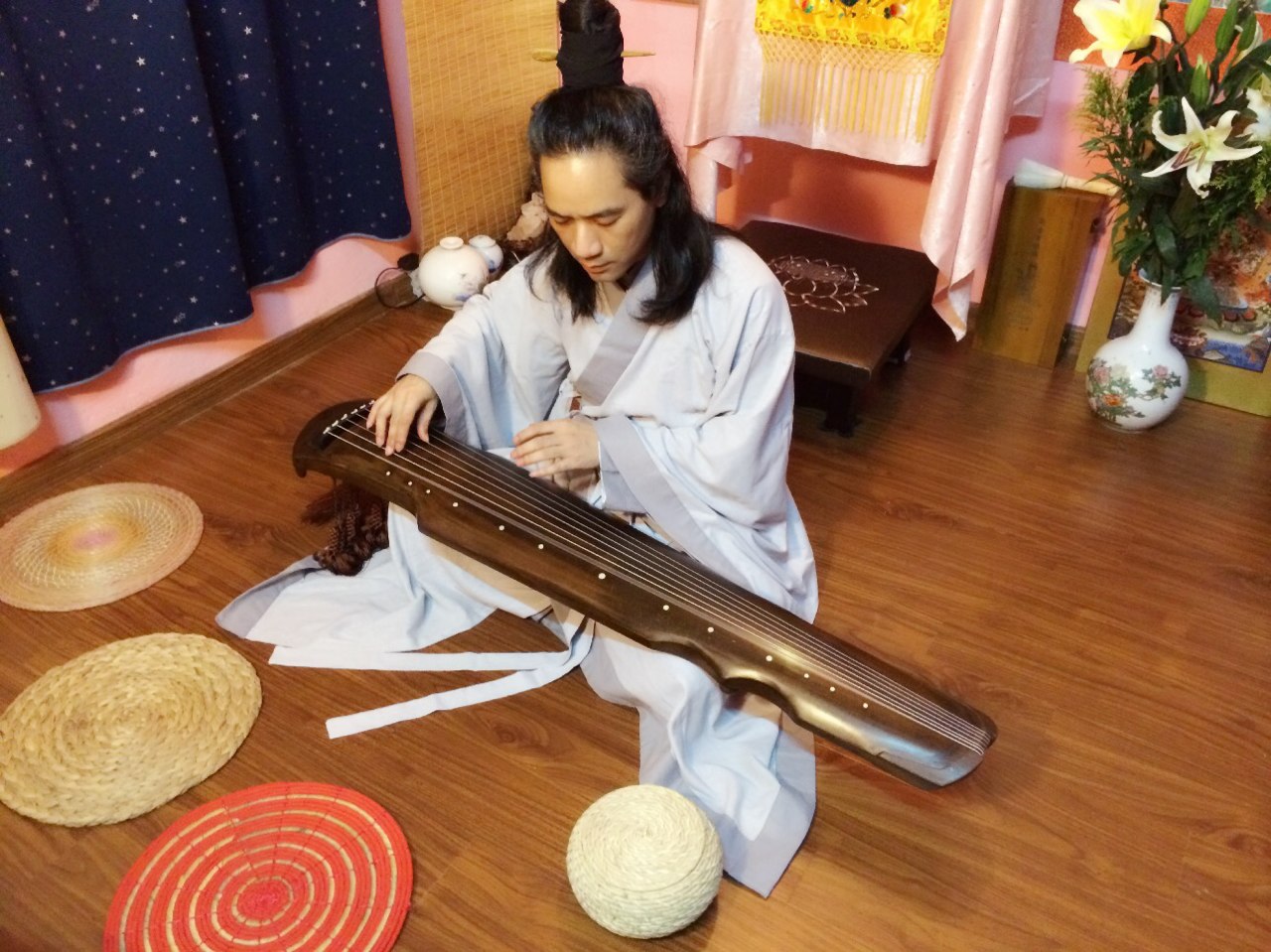
The guqin, also called the Yaoqin or Seven‑Stringed Qin, has a history of at least 3,000 years. It stands as the foremost of China’s Four Arts: qin, qi, shu, hua (zither, go, calligraphy and painting).
Ancient texts record: “A scholar keeps his qin and se within reach at all times.” And “At a gentleman’s seat, the qin sits on the left and books on the right.” It was never a performance instrument meant to impress crowds. Instead, it was a profound tool for literati and spiritual practitioners to discipline themselves, cultivate character and seek enlightenment.
I. The Guqin Encompasses Heaven and Earth — Embodiment of Eastern Philosophy
At first sight, the guqin surprises you with its simplicity. There are no elaborate carvings. Made from a single paulownia plank with seven silk strings, its restrained, minimal form carries ancient wisdom about heaven, earth and human nature in every detail.
The long body is rounded on top and flat underneath, representing the ancient idea of “heaven is round, earth is square”. Its seven strings correspond to the five traditional Chinese musical notes: gong, shang, jiao, zhi, yu. These notes connect to the five elements, seven stars, and also the five major internal organs of the human body. Nurturing mind and body through guqin music is a non‑pharmacological approach to wellness.
The curved top board belongs to yang and follows the principles of heaven. Its thirteen markers, known as hui, stand for the twelve lunar months plus a leap month. The flat bottom board belongs to yin and reflects the laws of earth. The pairing of yin and yang symbolises balance. The entire guqin is a miniature universe.
Its tone is clear, subtle, gentle and distant — quite unlike the better‑known guzheng. The guzheng has bright, outgoing sound, suited for lively performances before large audiences. The guqin is quiet and reserved. Though its volume is soft, its resonance lingers long. It embodies the Taoist saying: “The greatest sound is faint; the greatest form is invisible.” No big audience is needed. Alone, with a cup of tea and moonlight by the window, a few gentle plucks let you converse with ancient minds.
II. The Way of the Guqin: China’s Unique Spiritual Practice
For Confucianism, the qin builds virtue. Confucius taught that “one reaches fulfillment through music”. Playing guqin cultivates a centered, peaceful temperament.
Taoism uses the qin to find spiritual freedom. Tao Yuanming famously played a stringless qin; he cared not for sound itself, but inner union with heaven and earth. Outer form mattered little — only inner peace. These two traditions merged to form the core spirit of guqin: using music to carry the Dao and nourish the heart.
In Buddhism, the qin serves as a medium for teaching. Players maintain a pure mind, stay disciplined, awaken compassion, and treat all beings with equality. The Way of the qin becomes the path to awakening.
In Taoism, the qin unites the player with the Dao: following nature, acting without forced effort, and returning to simplicity.
Ancient guqin pieces passed down through millennia each carry their own character and capture inner states: Flowing Water mimics rushing rivers and vast mountains, opening up the listener’s mind. Wild Geese Descend on Sandbank is ethereal and far‑reaching, painting twilight over autumn rivers and calming restlessness. Song of Purity clears distracting thoughts, fosters reverence, strengthens vitality and soothes body and mind.
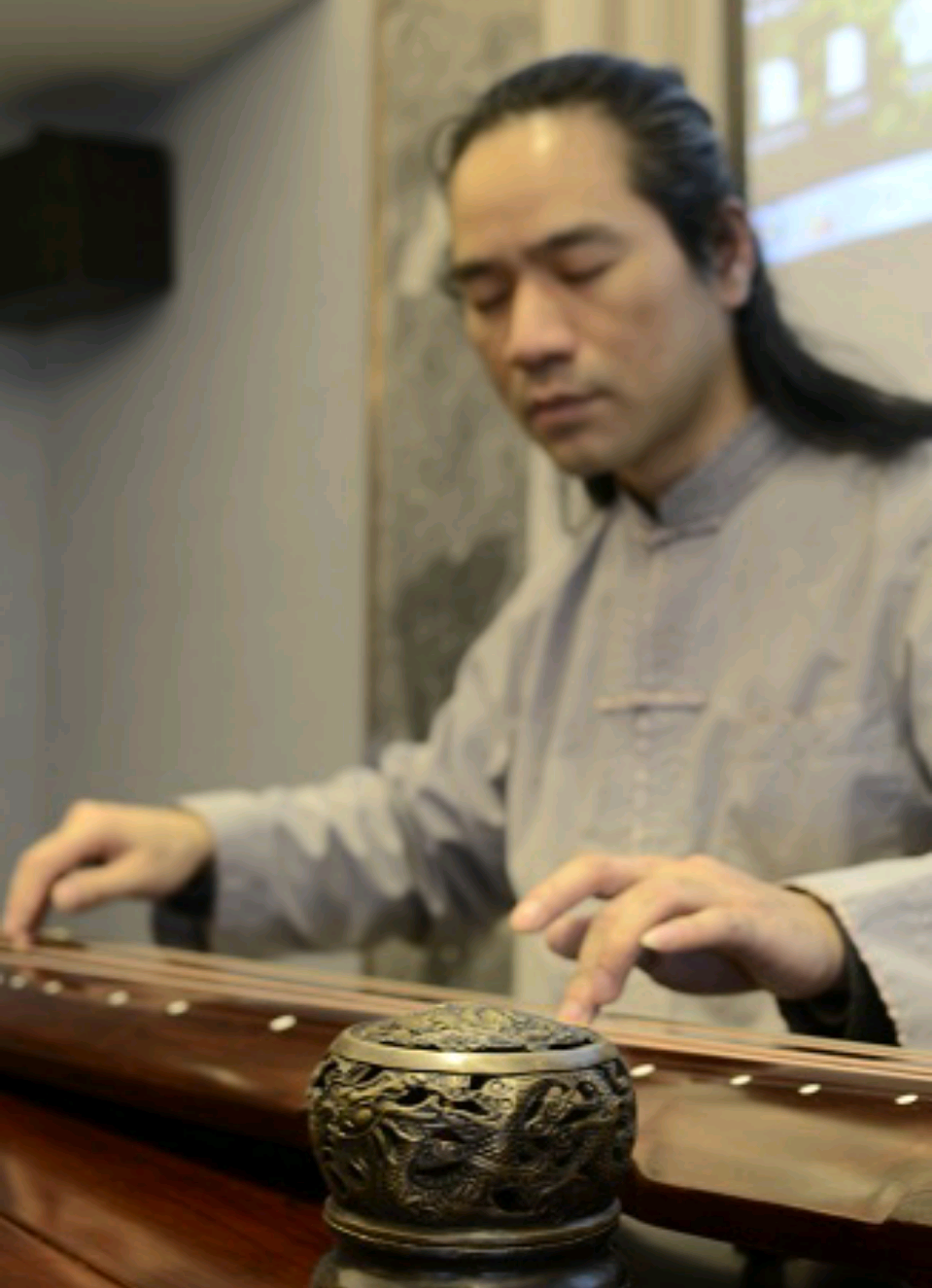
Plum Blossom Melody carries a cool, unyielding grace. It uses winter plum blossoms as a metaphor for the noble integrity of a gentleman. Autumn Wind Poem unfolds gently and tenderly, expressing human longing and quiet heartfelt emotions.
Playing the guqin is never a contest over speed or technical difficulty. Treatise on the Qualities of the Qin outlines the twenty-four aesthetic states of guqin music. Its core has never been flashy technique, but quieting the mind. As fingers rise and fall, your breath must stay steady and your heart calm. Restlessness prevents clear harmonic overtones; a turbulent mind will produce messy melodies. Practicing the instrument is essentially a process of tempering your temperament, learning to accept your own clumsiness and slow progress.
III. Learning Guqin as Adults: Not Empty Elegance, But Self-Redemption
Many people believe the guqin belongs only to scholars and those with ample leisure time, and ordinary people without talent or spare time should not attempt it. Step into a qin studio, however, and you will find most learners are busy everyday people: nine-to-five office workers, mothers balancing family life, and middle-aged seekers of inner peace.
During the day, we are trapped by multiple social roles: decision-makers, reliable employees, family breadwinners, dutiful children. Our nerves stay constantly taut, leaving almost no time purely for ourselves. Those thirty minutes of playing guqin become your personal pause. Wash your hands, sit quietly before the instrument, set aside urgent notifications on your phone, and worldly worries temporarily fade away.
The early learning journey is far from glamorous. Your hand posture feels awkward, simple finger movements remain stiff after dozens of repetitions, and a short piece may take months to refine. Yet this slowness heals modern people’s obsession with instant results. There is no need to chase grading exams or rush to perform for others. Even casually plucking a few notes is simply for your own joy, free from others’ judgment.
Do not fear starting from zero. The guqin has no harsh entry barriers. It does not demand advanced musical intuition or grand stages. A small room and one guqin are enough to build a space for mind-body nourishment. The time that seems “wasted” on practice actually recharges our restless minds, restoring the poise and energy to face daily life.
IV. Preserve the Quiet Joy of the Qin Amid Ordinary Daily Life
The rise of Chinese traditional culture has brought the guqin into mainstream view, along with superficial, trendy hype. Some only use the guqin for photoshoots, posing without knowing proper posture or finger techniques. Others buy a qin on impulse, only to store it away once the novelty fades. True lovers of the qin never deliberately flaunt refined taste.
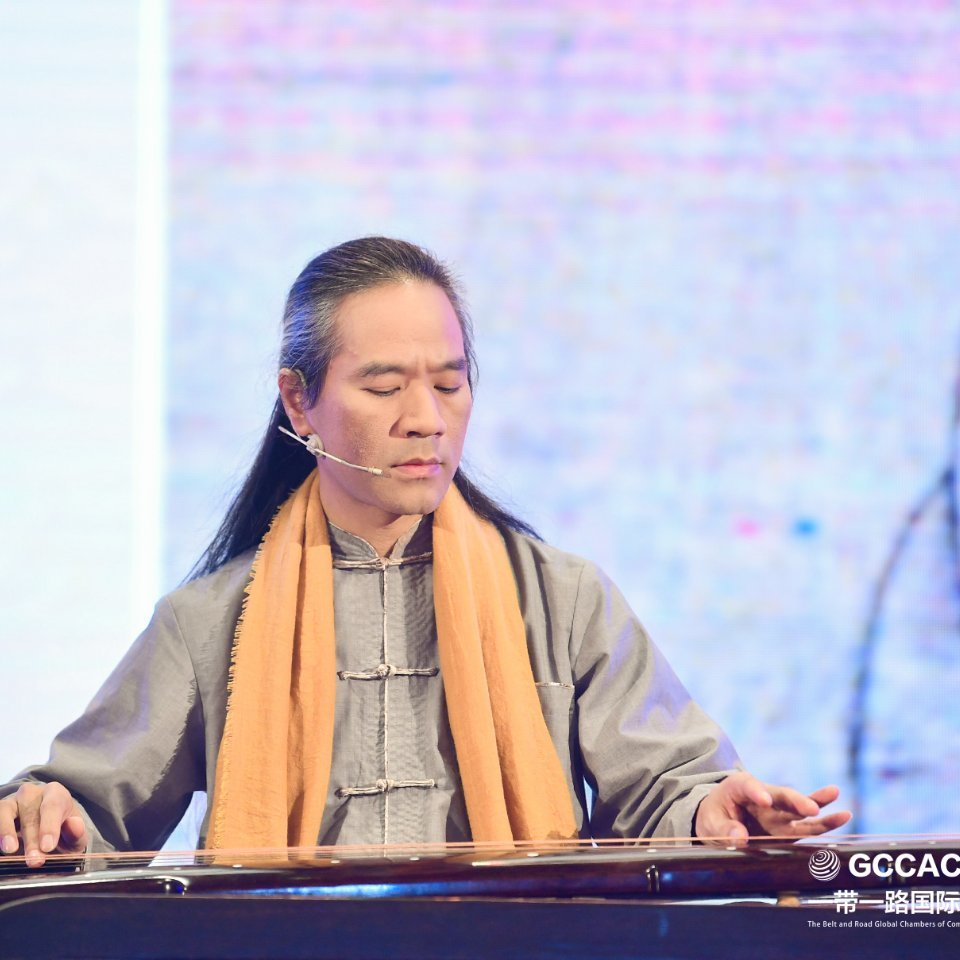
True delight in the guqin lives within small, ordinary moments:
On a rainy night behind closed doors, play Xiao Xiang Shui Yun. Rainfall mingles with qin tones to melt away the weariness of the whole day. On an autumn afternoon bathed in warm sunlight, slowly practice King Wen’s Ode. Its ancient melody carries an awareness of the rhythms of heaven and earth, alongside hopes for a thriving life and work. When weighed down by troubled thoughts, play pure harmonics. Their clear, translucent sound gently smooths the wrinkles in your heart.
The guqin never separates us from everyday life. Instead, it teaches us to keep inner peace amid chaos. It does not demand that we retreat into remote mountains. It only gifts us the ability to step away from commotion anytime and be present with ourselves. As the old saying goes, the greatest sound is faint. The most beautiful sound is never loud noise, but the echo of a peaceful heart.
Closing Remarks
Carrying its exquisite melodies across thousands of years, the guqin has never grown outdated. In an era where everyone chases speed and instant results, its subtle, distant tones remind us to slow down and quiet our minds.
You need not master hundreds of pieces, nor strive to become a virtuoso. Simply having time to sit and play for inner calm is already a great blessing.
May we all find a fine guqin. Within its seven gentle strings, we may rest our weary souls, hold onto our own quiet joy in the world, and meet kindred friends through the music of the qin.
Guqin’s Subtle Melodies: The Greatest Sound Is Almost Silent — Reclaim Modern Spirit Through the Guqin
本文采用 CC BY-NC-SA 4.0 许可协议,转载请注明出处。
评论交流
欢迎留下你的想法